Blog Post
What Should You Do After Extinguishing a Fire? Next Steps
Imagine the chaos of a fire: the alarm blaring, the shadows of flickering flames, and the relief of finally extinguishing the blaze. But what should you do after extinguishing a fire? It’s a question that requires immediate attention to ensure the safety and recovery of your property. Whether it's a minor kitchen mishap or a more substantial fire incident, the aftermath is crucial for effective recovery. Engaging a damage restoration company in Dover and its surrounding areas can expedite the process and help restore normalcy quickly. This guide will walk you through the necessary steps to take after a fire, ensuring safety and preparing for restoration.
Initial Safety Assessment
Confirm the Fire is Completely Out
The first and foremost step after extinguishing a fire is to ensure that the fire is completely out. Even if the flames appear to be extinguished, remain vigilant. Fires can reignite if hot embers or smoldering materials are left unchecked. Inspect the affected area meticulously for signs of heat or smoke. It may be helpful to use a thermal imaging camera, often available through professional restoration services, to detect any lingering heat sources.
Ventilate the Area
Once you confirm that the fire is out, ventilation is essential. Open windows and doors to allow fresh air to circulate throughout the impacted spaces. This helps clear smoke and reduce the concentration of residual fumes, making the environment safer for assessment and cleanup. Additionally, it protects air quality and helps prevent soot and smoke particles from settling into various surfaces and causing further damage.
Document the Damage
Take Photographs and Notes
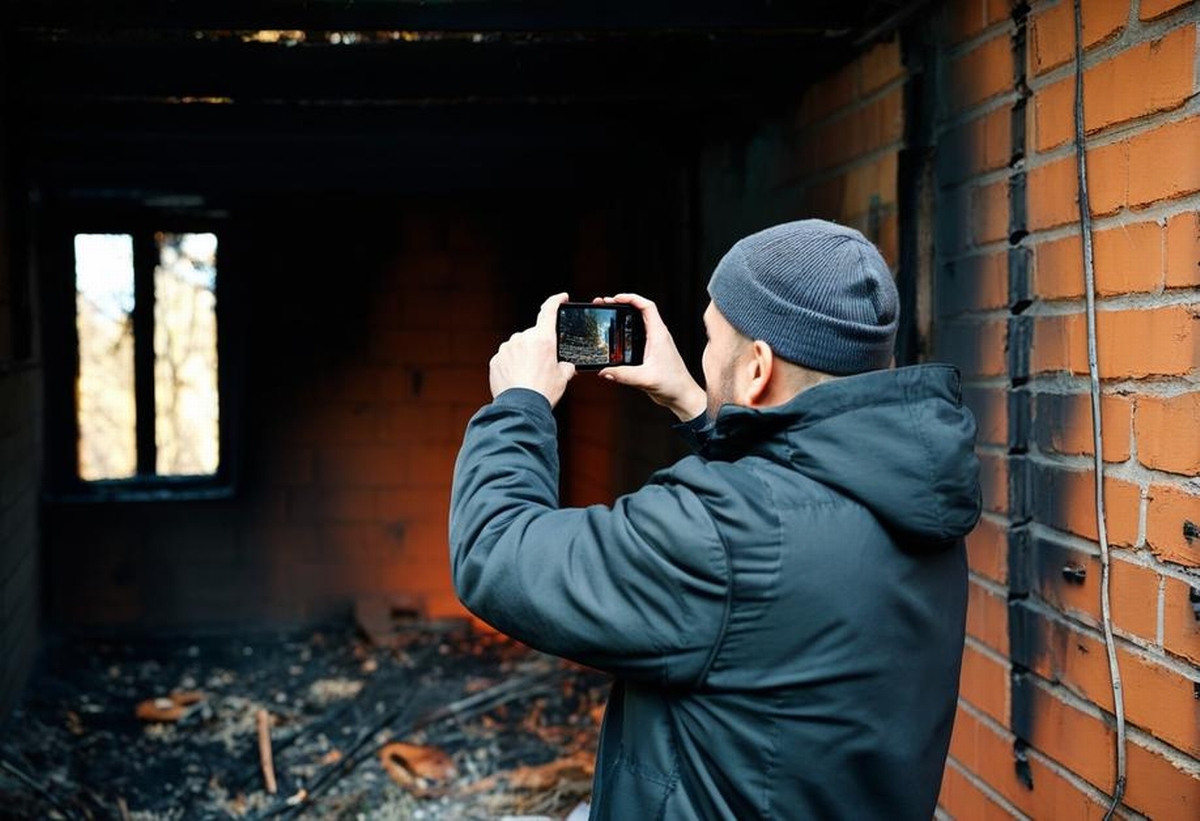
Proper documentation of the damage can prove invaluable when navigating the insurance claims process. Taking photographs of every affected area, including walls, ceilings, floors, and personal belongings, will provide a visual reference. Coupled with detailed notes about the extent and nature of the damage, this documentation forms a comprehensive record to support insurance claims and inform restoration activities.
Contact Your Insurance Company
With documentation in hand, promptly contact your insurance company to report the incident. They will guide you through the claims process, and early notification can accelerate the assessment and compensation phases. Be ready to share your photos and notes, as these will form the backbone of your communication with the insurer.
Protect the Property
Secure the Premises
Securing your property after a fire is critical to prevent vandalism, theft, and additional weather-related damage. This may involve boarding up windows, doors, and any structural openings created by the fire. More comprehensive board up and tarping services in Dover and its nearby areas can be utilized for enhanced security. These precautions safeguard your home against further harm and offer peace of mind while restoration is underway.
Remove and Store Undamaged Items
To facilitate restoration, carefully remove any items unaffected by the fire. Clean these items to remove smoke residue and odors and store them in a safe, unaffected location. This step aids in preserving valuable belongings and preventing additional loss.
Initiate the Cleanup Process
Engage Professional Restoration Services
The extent of fire damage often necessitates professional intervention. Engaging a professional service skilled in fire damage restoration can significantly streamline recovery efforts. Their expertise ensures thorough cleaning, smoke and soot removal, and restoration of structural integrity. They will also address secondary issues, such as water damage caused by firefighting efforts, which can further complicate the cleanup process if not managed quickly.
Address Water Damage
Fires are often extinguished with water, which introduces its own set of challenges. It's crucial to act fast in water removal to prevent mold growth and further structural damage. Professional services offer water damage restoration in the Dover area, ensuring comprehensive care. They utilize specialized equipment to thoroughly dry all affected areas, preventing mold and other moisture-related problems.
Evaluate Structural Safety
Professional Inspection
Once immediate concerns are addressed, the next step is a thorough evaluation of your property's structural safety. A professional inspection identifies compromised structural elements, from ceilings to beams and supports. Understanding these factors allows restoration plans to account for necessary rebuild and repair work, ensuring that your property is safe and sound for occupation.
Check Electrical Systems
Fire can severely impact electrical wiring and systems, leading to hazards even after the flames are gone. It's imperative to have a qualified electrician evaluate your entire electrical system. Faulty components need repair or replacement to prevent electrical failures or future fires. In some cases, fire damage restoration services include this assessment as part of their comprehensive post-fire strategy.
Psychological and Community Considerations
Support and Resources
Dealing with the aftermath of a fire is emotionally draining. Seeking support—from professional counselors to community support groups—can offer comfort and coping strategies. Additionally, resources such as the American Red Cross provide practical aid ranging from temporary accommodation to essential supplies, assisting those in need during recovery.
Reconnect with the Community
Re-establishing a connection within the community can also be integral to emotional recovery. Participate in local events or simply reach out to neighbors. Sharing experiences can offer solace and the reciprocal support vital during challenging times.
Time to Rebuild
Plan for Restoration
With safety evaluations and immediate restorations addressed, planning for full restoration begins. This step involves working with experts to design the scope of repairs, replacements, and overall refurbishment of damaged areas. Fire damage restoration in Camden may also include innovative rebuilding options tailored to prevent future incidents, thereby ensuring long-term safety and livability.
Invest in Prevention
Finally, as you rebuild, consider integrating preventative measures into your home. Install smoke detectors, fire-resistant materials, and proper ventilation systems to reduce the likelihood of future fires. Small adjustments now can have significant impacts on safety and peace of mind in the future.
Rely on Expertise
Using expert services for storm damage restoration in Dover, DE, for instance, ensures that your home is not only returned to its pre-fire state but is also fortified against future risks associated with natural events.
Secure Your Recovery Pathway with All Restored
Emphasizing the importance of taking proactive steps can shape positive outcomes in any post-fire scenario. Allow All Restored to assist you every step of the way, with their knowledgeable team ready to address everything from immediate safety assessments to long-term rebuilding strategies. Their dedicated services are designed to make your home safe and secure once again. Don’t face fire recovery alone—reach out to All Restored and start laying the foundations for a safer, restored future today.
Recent Posts
-
Dover, DE Homeowner Guide: Everything You Need to Know About Owning Property
October 03,2026
-
Is Sewage Backup an Emergency and When to Act
October 01,2026
-
When Cabinets Get Wet: Repair or Replace Water Damaged Cabinets
September 17,2026