Blog Post
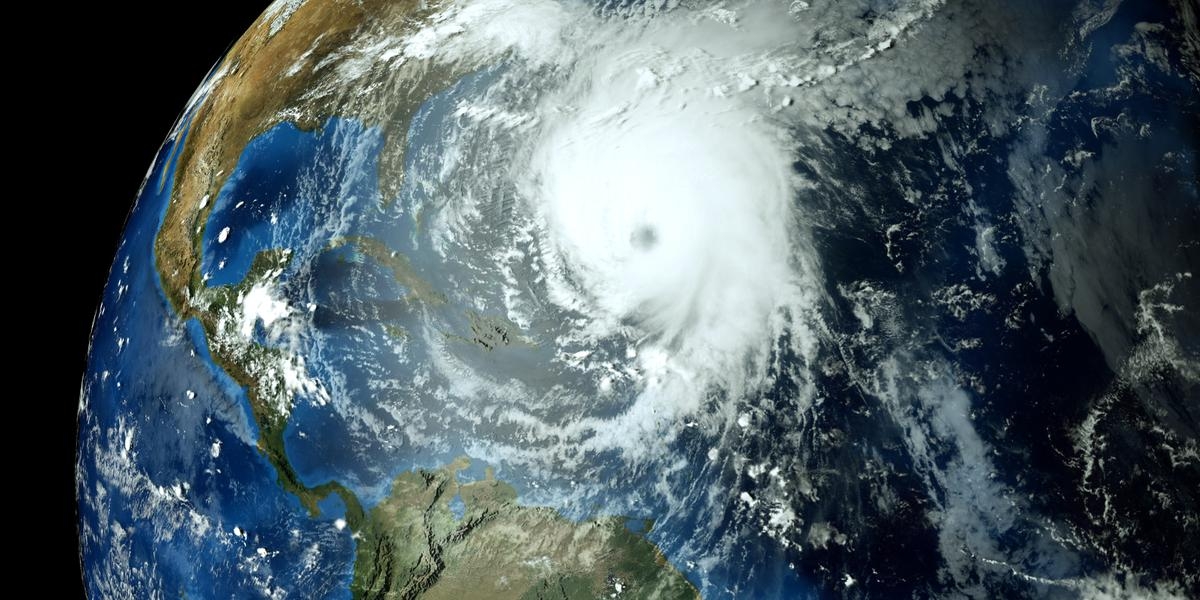
Typhoon vs Hurricane vs Monsoon: Breaking Down Global Storms
When most people think of formidable storms, they likely think of typhoons, hurricanes, and monsoons - terms often used interchangeably but fundamentally distinct in their nature and impact. These global weather phenomena unleash incredible power, reshaping landscapes and uprooting lives. As the leading provider of emergency damage restoration in Dover, All Restored understands the havoc these storms can cause, emphasizing that understanding the nuances of each is crucial for preparedness and safety. So, what exactly distinguishes a typhoon from a hurricane or a monsoon? Let’s delve deeper into this compelling weather world.
A crucial place to start is by exploring the nature of each storm type. While ‘typhoon vs hurricane vs monsoon’ features prominently in conversations around storms, each plays a unique role depending on its geographic and climatic conditions. From their points of origin to their strength and impact, understanding these differences can be instrumental in anticipation and damage control.
Understanding Typhoons, Hurricanes, and Monsoons
What is a Typhoon?
Typhoons are essentially tropical cyclones occurring in the Northwest Pacific Ocean. They tend to form over warm ocean waters and have the potential to develop into large storms characterized by strong winds and heavy rains. These storms pose significant risks to coastal regions, particularly in Southeast Asia. In many countries within this region, typhoons contribute to serious weather emergencies annually.
What Sets Hurricanes Apart?
Hurricanes, like typhoons, are also tropical cyclones but occur in the North Atlantic, Central North Pacific, or Eastern North Pacific. The term "hurricane" comes into play when these powerful systems sustain winds reaching 74 miles per hour or higher. The severe impacts of hurricanes range from torrential rain and inland flooding to catastrophic winds posing significant threats to numerous locales, particularly the Eastern United States and the Caribbean.
The Role of Monsoons
Monsoons stand apart, being seasonal changes in wind direction that bring about wet and dry seasons instead of focusing predominantly on storms. While not storms themselves, monsoons significantly influence weather patterns, particularly in South Asia, Southeast Asia, and the West African coast. The key factor here is the potent combination of increased precipitation and winds during the rainy season, which, while vital for agriculture, can lead to severe flooding and infrastructure damage.
Though diverse in nature, these weather systems contribute significantly to the discourse on ‘typhoon vs hurricane vs monsoon’ because of the widespread impact on communities and ecosystems. Understanding these differences can directly influence how regions prepare for and respond to these events.
The Damage They Cause
Physical Impact and Restoration Challenges
Each storm type has its own potential to cause harm, extending beyond just the immediate weather impact. Typhoons and hurricanes garner attention for their sheer destructiveness in terms of wind and rain, potentially leading to severe property damage. It is essential to plan appropriate responses in terms of emergency measures and long-term solutions. Effective storm damage restoration involves multiple layers because impacted areas often need comprehensive recovery efforts.
Challenges such as flooding, power outages, and destruction of infrastructure oftentimes necessitate fast-moving interventions. These restoration efforts demand collaboration between restoration companies, local agencies, and government bodies to ensure the swift recuperation of the affected regions.
Specific Case: Storm Damage Restoration
Storms inflict chaos in ways that call for expert intervention. This is where services like storm damage restoration in Dover and its nearby locations play a pivotal role. The process begins with assessing the damage, removing debris, drying and dehumidifying structures, and ultimately restoring affected areas to their pre-storm conditions. Immediate and intricate measures ensure a swift transition from chaos to recovery.
Preparing for Global Storms
Proactive Community Measures
Communities can adopt effective mitigation strategies that go a long way in reducing storm damages. This may involve building sea walls, storm barriers, and effective drainage systems. Bolstering community resilience through public education initiatives on evacuation plans and emergency kits also holds substantial value.
Technological and Predictive Tools
Advancements in meteorology have made storm prediction more precise. Satellite monitoring and sophisticated computer models help forecast storm paths and potential impacts, allowing communities to prepare adequately. This preparation includes installing surge-resistant windows, securing outdoor objects, and determining evacuation routes.
Personal Responsibility and Preparedness
While larger-scale preparations are crucial, individual readiness significantly impacts personal safety. Households should develop emergency plans that include understanding local shelter locations, having supplies on hand, and knowing first-aid procedures. Notably, awareness of terms like typhoon, hurricane, and monsoon helps in interpreting weather forecasts and making informed decisions.
The Future of Storm Preparedness
Adapting Infrastructure
As climate change intensifies, preparing for more powerful and unpredictable storms becomes increasingly urgent. Re-evaluating current infrastructure resilience is essential. Cities like Dover, DE, must analyze existing frameworks and adapt by implementing technologies that enhance resistance to violent weather impacts.
Community Initiatives and Education
Efforts to educate and inform residents are becoming more prominent. Community-based workshops focused on disaster preparedness offer valuable insights into minimizing risks and identifying necessary resources. Such efforts ensure communities remain collectively resilient in the face of potential disaster.
Emphasizing Restoration Services
Given the potential extreme weather patterns, being prepared for the aftermath is equally essential. This is why services like board up and tarping in Camden and its surrounding areas are vital. These services provide immediate solutions post-storm, safeguarding against additional damage and allowing families to return to normalcy sooner.
Inviting you to take proactive steps should not be optional. Consider evaluating your home's preparedness for potential storms, and if you find gaps, reach out to All Restored for expert support. We offer comprehensive services spanning fire damage restoration, flood repair, and mold remediation, ensuring your safety and peace of mind, whatever the storm might bring.
In so many ways, deciphering ‘typhoon vs hurricane vs monsoon’ is not merely an academic exercise but a crucial step in fostering preparedness and resiliency against nature’s formidable forces. With the increasing frequency and intensity of storms worldwide, integrating knowledge, proactive preparedness, and effective recovery remains imperative for enduring these natural phenomena safely and efficiently.
Recent Posts
-
Dover, DE Homeowner Guide: Everything You Need to Know About Owning Property
October 03,2026
-
Is Sewage Backup an Emergency and When to Act
October 01,2026
-
When Cabinets Get Wet: Repair or Replace Water Damaged Cabinets
September 17,2026