Blog Post
Types of Mold on Wood and Structural Concerns
Mold can grow in a variety of settings, but when you find types of mold on wood, it could be a sign of more severe structural issues. This brings a significant concern for homeowners and restoration professionals alike. When considering emergency damage restoration in Dover, it's essential to understand the risks mold poses not only to health but also to the integrity of wood structures.
The presence of mold on wood isn't just an unsightly appearance - it's a warning sign. Wood, being an organic material, serves as a prime host for mold, leading to deterioration that can compromise the safety of your home or building. In this blog post, we'll delve into the various types of mold on wood, their implications, and how they can impact structural integrity. We'll also offer guidance on preventive measures and how All Restored can assist in protecting your property.
Discovering Different Types of Mold on Wood
Mold on wood can take many forms, each with varying degrees of severity in terms of health risks and structural damage. Recognizing the type of mold on wood is the first step to addressing the problem effectively. Among the many species of mold, some are more commonly associated with wood, highlighting their presence in damp and humid conditions.
Black Mold (Stachybotrys Chartarum)
Stachybotrys Chartarum, often referred to as black mold, is perhaps the most infamous due to its toxic effects. It thrives on wood when moisture levels are constantly high, such as in cases of water damage or leaks. If left untreated, black mold can not only trigger allergic reactions and respiratory problems but also weaken wood, compromising structural integrity.
White Mold
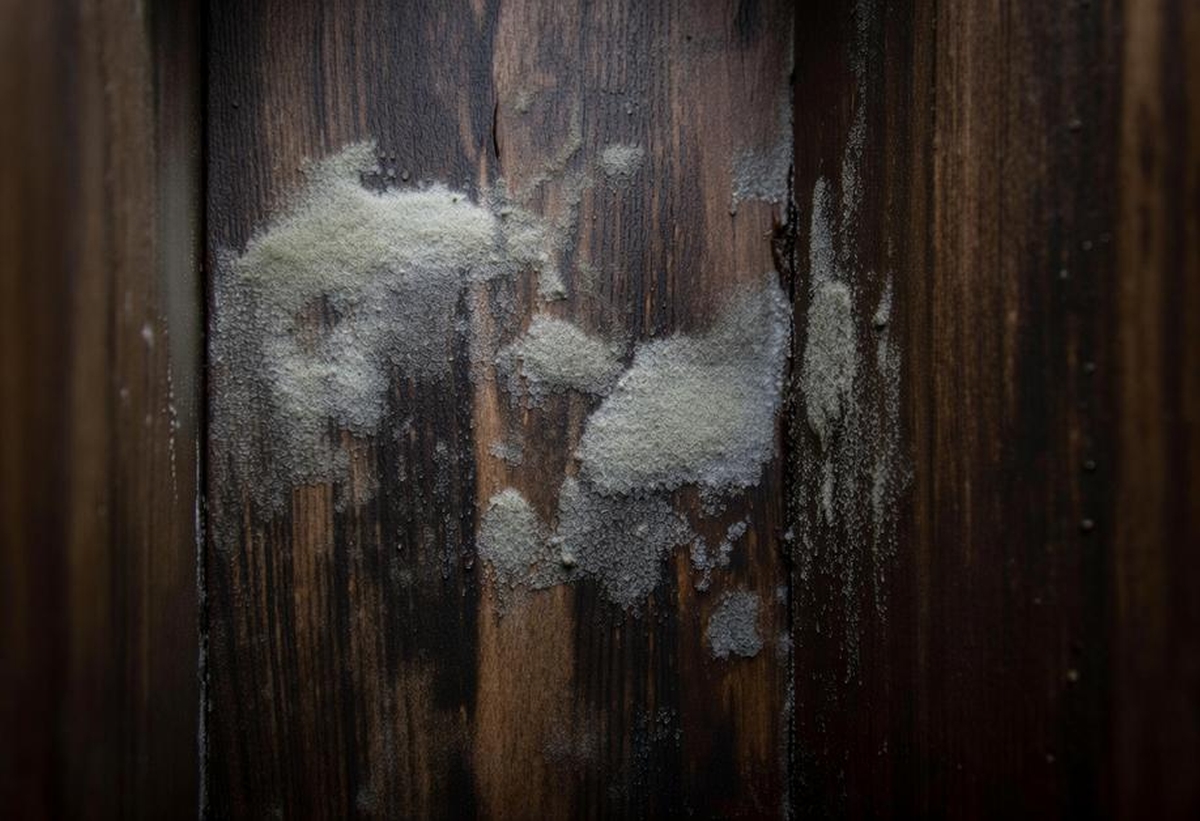
White mold is less feared in terms of health effects, but its impact on wood should not be underestimated. This mold appears powdery and is often mistaken for efflorescence - a salt deposit left by evaporated water. While it may not pose significant health risks, white mold can degrade wood over time, leading to costly repairs or replacements. This species highlights the importance of regular inspections and maintenance, especially in areas prone to moisture accumulation.
Aspergillus and Penicillium
These common molds are known for causing allergic reactions and asthma attacks in sensitive individuals. While they are usually considered a greater health threat than a structural one, their presence on wood should not be ignored. Over time, the wood can become discolored and weakened, making prompt remediation crucial. Regular maintenance and moisture control measures can help prevent these types of mold on wood, safeguarding both health and structural integrity.
Potential Causes and Structural Implications
The underlying conditions that lead to the growth of mold on wood can vary, but they often revolve around moisture, lack of ventilation, and temperature. Here's how these factors contribute to the problem:
Moisture Infiltration
Water intrusion from leaks, flooding, or poor drainage is a primary cause of mold growth on wood. In many cases, emergency interventions like water damage restoration in Dover are necessary to mitigate further contamination and structural damage. Mold spores require just 24 to 48 hours of dampness to begin settling in, emphasizing quick action and efficient water extraction as critical preventive measures.
Inadequate Ventilation
Basements, attics, and poorly ventilated spaces invite mold growth due to stagnating moisture-laden air. Proper airflow and dehumidification are essential strategies to combat these conditions. Ensuring that attics and basements are adequately ventilated can help prevent moisture accumulation and mold growth. This protective measure also enhances the overall air quality within your home.
Temperature Extremes
While not as influential as moisture, temperature changes can contribute to mold growth. Mold tends to thrive in warm environments, making it vital to maintain steady indoor temperatures to prevent fungal spread. Additionally, insulating your property appropriately can help in maintaining optimal temperature levels and humidity control, thereby reducing the risk of mold.
Tackling Mold: Prevention and Remediation
Understanding the types of mold on wood and their structural concerns is just the beginning. To protect your home or building, proactive measures alongside remediation strategies must be implemented effectively. Prevention is key to minimizing the risk of mold infestation, but remediation becomes necessary when mold has taken hold. Below, we explore practical prevention and remediation strategies:
- Identify and Address Moisture Sources: Whether it's fixing leaks, redirecting downspouts, or improving ground sloping, addressing moisture issues is critical to combat mold growth.
- Enhance Ventilation: Installing exhaust fans in moisture-prone areas like bathrooms and kitchens can significantly improve ventilation and reduce the chances of mold developing.
- Control Humidity Levels: Aim to keep indoor humidity below 60%, using dehumidifiers to manage humid conditions effectively.
- Regular Inspections: Periodically inspect vulnerable areas like basements, attics, and behind appliances for signs of mold, discoloration, or musty odors.
- Professional Mold Removal and Remediation: Seek professional help for mold removal and remediation services to ensure a thorough and permanent solution.
- Use Mold-Resistant Products: Consider using mold-resistant sealant or paint when treating wood surfaces to add a layer of protection against future mold growth.
When to Call in the Professionals
Complications from mold aren't worth risking. When mold contamination is beyond your scope, calling in professionals like All Restored can provide you with the expertise and resources needed for efficient mold removal and remediation in Dover and beyond. Their trained specialists are equipped with advanced tools to address even the toughest mold problems, ensuring your property is safe and structurally sound. Investing in professional services guarantees that mold issues are not only addressed but prevented from reoccurring.
Mold on wood is not merely an aesthetic annoyance; it signifies deeper issues that can perpetuate over time. For residents of Delaware, addressing these problems through services like mold removal and remediation, as well as water damage restoration in Camden, offers a stable solution to maintain your property's integrity.
For your peace of mind and your property's health, consider reaching out to All Restored. Their comprehensive understanding of mold-related challenges like these supports their role as leaders in the restoration industry, providing peace of mind to homeowners facing potential structural concerns. With a focus on quality and customer satisfaction, All Restored is here to ensure your home remains safe, secure, and free from mold-related issues. Whether your concerns are ongoing or you're exploring preventive measures, contacting All Restored will provide you with personalized solutions tailored to your property's needs.
Recent Posts
-
Do Fire Sprinklers Detect Smoke, Heat, or Both?
August 17,2026
-
What Do Hard Water Stains Look Like on Surfaces
August 15,2026
-
Remove Mold from an Attic the Right Way
August 03,2026