Blog Post
Is Sewage Backup an Emergency and When to Act
Few household problems create the sinking feeling that comes with dark water rising from a floor drain or a foul smell drifting up from the basement. When wastewater starts coming back into your home instead of flowing out, the question almost every homeowner asks is the same: is sewage backup an emergency? The short answer is yes, and understanding why can help you protect your family and your property before the damage spreads. If you are facing this situation, our team offers emergency damage restoration in Dover and the surrounding areas so you never have to face contaminated water alone.
Sewage is not like a clean water leak from a pipe or an appliance. It carries bacteria, viruses, and other contaminants that pose real health risks, and it can saturate materials quickly. Knowing how to recognize the signs, what to do in the first minutes, and when to bring in professionals makes all the difference in how the situation unfolds.
Why Sewage Backup Is Treated as an Emergency
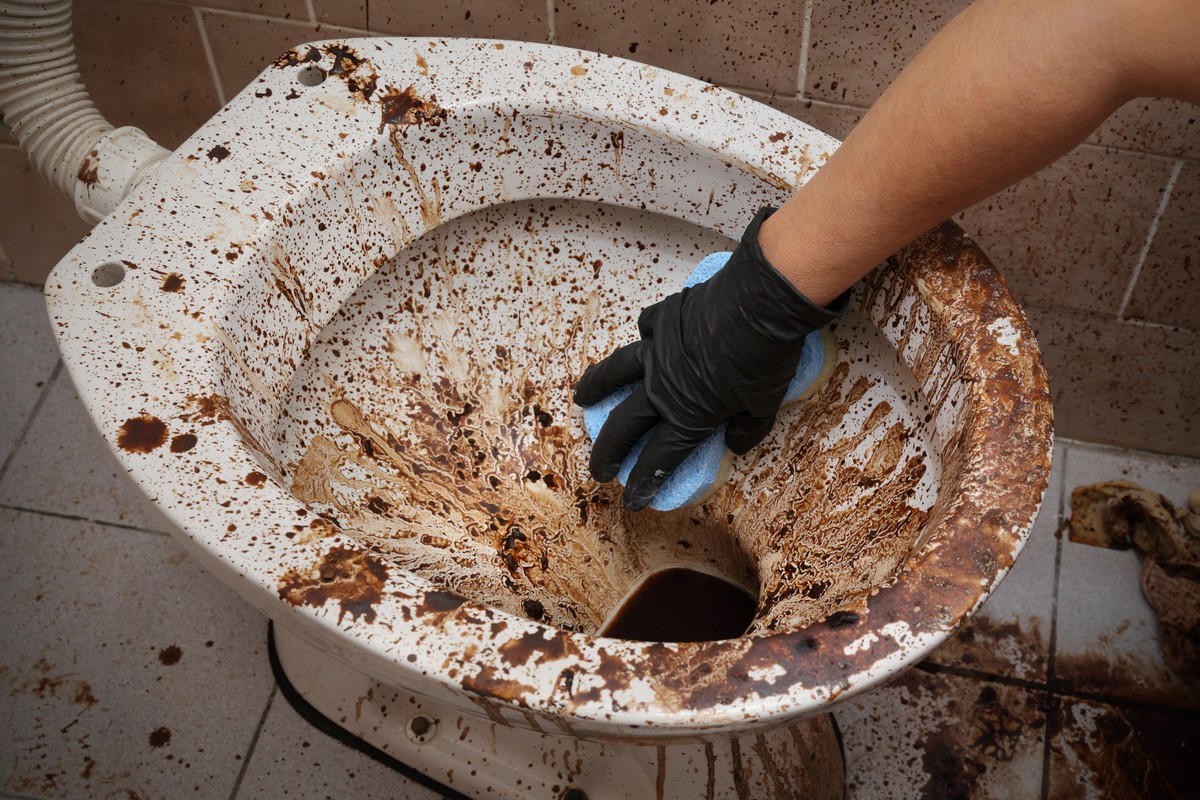
The reason experts consistently answer yes to the question is sewage backup an emergency comes down to what that water actually contains. Wastewater is classified as "black water," the most hazardous category of water contamination. It can carry harmful pathogens, parasites, and chemical waste that make direct contact dangerous, especially for children, older adults, and anyone with a weakened immune system.
Beyond the health concerns, sewage moves fast into porous materials. Carpet, drywall, insulation, and wood flooring can absorb contaminated water within hours, and once they do, cleaning alone often is not enough. The longer the water sits, the more likely it is that these materials will need to be removed and replaced. Standing sewage also creates ideal conditions for mold, which can begin developing in as little as a day or two. That combination of health risk, rapid absorption, and secondary damage is exactly why this situation calls for immediate attention rather than a wait-and-see approach.
Common Causes You Should Know
Understanding what leads to a backup can help you spot trouble early. Some causes are inside your home, while others originate in the municipal system beyond your property line. A few of the most frequent culprits include:
- Clogs from grease, wipes, paper products, or other items that do not break down in the line
- Tree roots infiltrating and crushing older sewer pipes
- Aging or collapsed pipes that can no longer carry the normal flow
- Heavy rain or storms that overwhelm the sewer system and force water back toward homes
Storms are a particularly common trigger in our region, since a sudden surge of water can push the municipal system past its capacity. If severe weather has affected your property, our storm damage restoration in Camden can help you address both the flooding and any sewage complications that follow.
Warning Signs to Watch For
Sewage backups rarely happen without some advance warning, though the signals can be easy to overlook. Gurgling sounds coming from toilets or drains often indicate air trapped in a line that is starting to block. Multiple slow drains throughout the house, rather than a single sluggish sink, frequently point to a problem in the main line instead of a simple local clog. You may also notice water backing up in one fixture when you use another, such as the tub filling when a toilet is flushed.
A persistent sewage odor around drains or in the yard is another red flag, as is water pooling near a floor drain in the basement. When you notice several of these signs together, it is wise to act quickly rather than dismiss them as minor annoyances. Catching a developing backup early can spare you from the full-scale contamination event that answers the question of whether is sewage backup an emergency with an unmistakable yes.
What to Do in the First Moments
How you respond in the first several minutes shapes the outcome. Your safety comes first, so keep people and pets away from the affected area and avoid contact with the contaminated water. If it is safe to do so, stop using water in the home to prevent adding to the backup, and shut off electricity to the affected space if the water is anywhere near outlets or wiring.
Do not attempt to clean up significant sewage on your own. Household cleaners and a mop cannot properly sanitize black water, and the process can expose you to harmful contaminants. Instead, ventilate the area if possible, protect belongings you can safely move, and contact a professional restoration team right away. Documenting the damage with photos before cleanup begins is also helpful for your insurance claim.
Because timing matters so much, having a resource ready before disaster strikes is smart. You can always reach out for fast help with emergencies at any hour, and our crews are prepared to respond quickly to limit the spread of contamination.
How Professional Restoration Handles Sewage
Professional cleanup goes far beyond removing the visible water. The process starts with a thorough assessment to identify the source and the full extent of contamination, which often reaches farther than it appears on the surface. Trained technicians use specialized equipment to extract the water, then remove materials that cannot be salvaged, such as saturated carpet, padding, and drywall.
After removal, the area is cleaned and disinfected with antimicrobial treatments designed to eliminate the bacteria and pathogens that sewage leaves behind. Structural drying follows, using industrial fans and dehumidifiers to pull moisture out of framing and subfloors so mold does not take hold later. This step is critical, because hidden moisture is one of the most common reasons problems return weeks after an incident seems resolved. For situations that overlap with clean water intrusion, our approach to water damage restoration in Dover uses similar drying science to protect your home's structure from lingering damage.
Protecting Your Home Going Forward
Once the immediate crisis is handled, a few preventive habits can reduce the odds of a repeat. Be mindful of what goes down your drains, since grease and so-called flushable wipes are frequent offenders. If your home sits below street level or you have experienced backups before, ask a plumber about installing a backwater valve, which is designed to stop sewage from flowing back into the house. Routine inspection of older sewer lines, particularly on properties with mature trees, can catch root intrusion before it becomes a full blockage.
Even with good maintenance, some events are simply beyond your control, and that is where quick professional response makes the biggest difference. So the next time you find yourself wondering is sewage backup an emergency, remember that acting fast protects both your health and your investment. Our team provides trusted water damage restoration in Camden, DE, along with sewage cleanup and related services across Dover and nearby communities. When you need help, contact us for a prompt assessment and let experienced professionals restore your home safely.
Recent Posts
-
Is Sewage Backup an Emergency and When to Act
October 01,2026
-
When Cabinets Get Wet: Repair or Replace Water Damaged Cabinets
September 17,2026
-
Basement Warning Signs: How to Spot Water Intrusion Early
September 15,2026