Blog Post
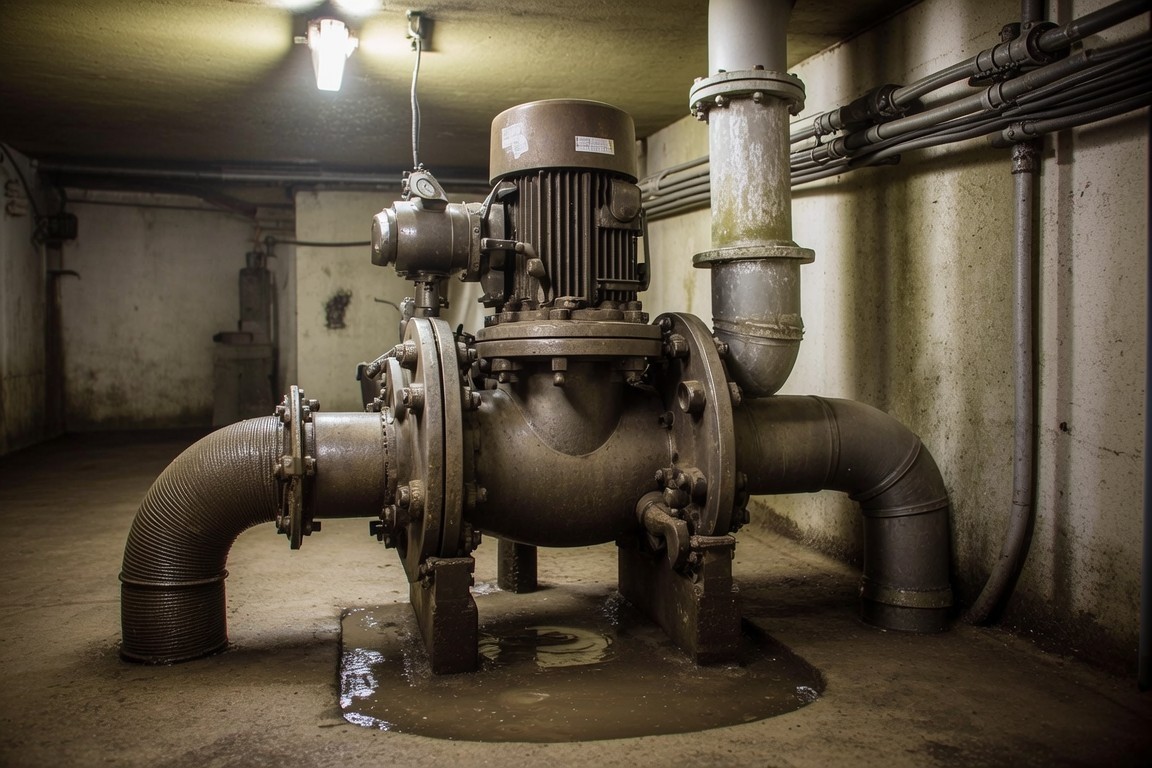
How Long Do Sewage Pumps Last? Signs It’s Time to Replace
A sewage pump works quietly in the background until the day it doesn't, and by then you may already be dealing with a backup, foul odors, or standing wastewater in your basement. That is exactly why so many homeowners ask the same question: how long do sewage pumps last? Knowing the answer helps you plan ahead instead of scrambling during an emergency. And if a failure does happen, our team provides professional damage restoration services in Dover and its surrounding areas to help you recover quickly.
Sewage pumps are essential equipment for homes that need to move waste from a lower level up to the main sewer line or septic system. Because they handle solids and run under demanding conditions, they wear down over time. Understanding their typical lifespan, the signs of trouble, and when replacement makes more sense than repair can save you from an expensive and unpleasant cleanup.
How Long Do Sewage Pumps Last on Average?
Most sewage pumps are built to last somewhere between seven and ten years, though the exact number depends heavily on the pump's quality, how often it runs, and how well it is maintained. A pump in a home with frequent use, such as a finished basement with a full bathroom, will cycle more often and may wear out sooner. A pump that runs only occasionally may stretch toward the longer end of that range.
The type of pump matters too. Submersible sewage pumps, which sit inside the basin and are cooled by the surrounding liquid, often outlast pedestal-style units that sit above the pit. Build quality is another major factor. A heavy-duty cast iron pump generally holds up better than a lightweight model. When people ask how long do sewage pumps last, the honest answer is that lifespan is a range, not a fixed deadline, so paying attention to performance is more reliable than counting the years.
What Affects a Sewage Pump's Lifespan?
Several conditions can shorten or extend the life of your pump. Frequency of use is the biggest factor, since every cycle adds wear to the motor and moving parts. Pumps that handle heavy solids, grease, or items that should never be flushed tend to clog and strain, which accelerates breakdown. Electrical issues, such as power surges or an undersized circuit, can also damage the motor over time.
Maintenance plays a large role as well. A pump that is inspected periodically, cleaned of debris, and tested for proper float operation will usually reach the upper end of its expected lifespan. Neglect, on the other hand, allows small problems to grow into complete failures. The environment counts too. Basins that collect excessive sediment or sit in areas prone to flooding put extra stress on the equipment, which is a common concern across Dover and the surrounding areas where seasonal storms can overwhelm drainage systems.
Warning Signs It's Time to Replace Your Sewage Pump
Your pump will often give you clues before it fails completely. Catching these early gives you time to plan a replacement on your own schedule rather than during a messy emergency. Keep an eye out for the following signs:
- Strange noises such as grinding, rattling, or loud humming that suggest worn bearings or a struggling motor.
- The pump runs constantly or cycles on and off far more than usual, which points to a float, switch, or capacity problem.
- Persistent sewage odors near the basin or in the basement, indicating the pump is not moving waste effectively.
- Visible rust, cracks, or corrosion on the pump housing or connections.
- Slow drainage, gurgling drains, or backups that return even after clearing a clog.
- The pump is past the ten-year mark and has needed repeated repairs.
A single symptom does not always mean the pump is finished, but several occurring together usually signal that replacement is near. Acting on these warnings protects your home from the water intrusion and contamination that follow a full failure, preventing the need for water damage restoration in cities like Dover.
Repair or Replace? Making the Right Call
When a sewage pump shows trouble, the decision between repairing and replacing depends on age, cost, and reliability. If the pump is relatively new and the issue is a simple part like a float switch or check valve, a repair is usually worthwhile. These fixes are inexpensive compared to a full unit and can restore years of service.
However, once a pump approaches or exceeds its expected lifespan, repeated repairs become a poor investment. Spending money on an aging motor that is likely to fail again soon rarely pays off. If you find yourself asking how long do sewage pumps last every time a new problem appears, that recurring worry is itself a sign that replacement will give you more peace of mind. A new, properly sized pump restores dependable performance and reduces the risk of a sudden backup that could flood your lower level.
Preventing Damage When a Pump Fails
Even with diligent care, pumps eventually give out, and sometimes failure strikes without much warning. A backup can release contaminated water that soaks into flooring, drywall, and belongings within minutes. Because sewage carries bacteria and other hazards, cleanup is not a job for ordinary household methods. Fast, professional response limits the spread of moisture and reduces the chance of secondary problems like mold growth.
Regular maintenance is your best defense. Testing the pump a few times a year, keeping the basin free of debris, and avoiding flushing anything other than appropriate waste all help extend its life. Installing a battery backup or alarm system adds another layer of protection, alerting you the moment the pump stops keeping up. For homeowners wondering how long do sewage pumps last and how to avoid the worst-case scenario, these simple habits make a meaningful difference.
When to Call the Professionals
If a sewage pump fails and wastewater reaches your floors, swift action protects both your health and your home's structure. Standing sewage should be handled by trained specialists who have the proper equipment to extract, sanitize, and dry the affected areas safely. The longer contaminated water sits, the more extensive and costly the repairs become.
Our team offers water damage restoration in Camden, DE and throughout central Delaware, responding quickly to minimize disruption and restore your space. From extraction and disinfection to thorough drying and mold prevention, we manage the full recovery process so you do not have to face it alone. If you suspect your pump is on its last legs or you are already dealing with a backup, you can reach out for fast help any time.
So, how long do sewage pumps last? Plan for roughly seven to ten years, watch for the warning signs, and stay ahead of problems with regular maintenance and timely replacement. A little attention now spares you the stress and expense of an emergency later. And should the unexpected happen, knowing you have a trusted restoration partner nearby means your home can be back to normal before long.