Blog Post
Dealing with Mold in Bathrooms, Closets, and Other Rooms
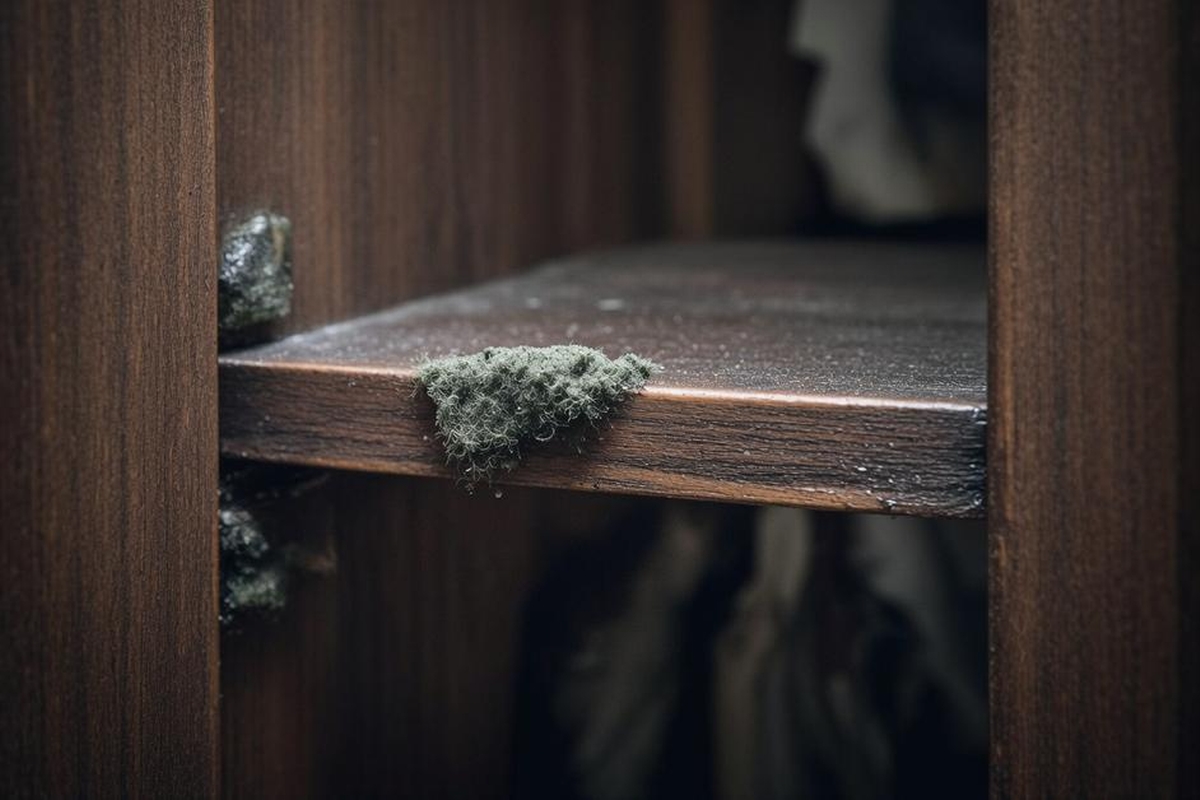
The silent invasion of mold can occur in any nook of your home, but one of the most inconspicuous locations is your closet. Closet mold isn't just an aesthetic issue; it poses health risks and could indicate serious problems in your home's moisture control. Moreover, recognizing the signs early on can save you from costly repairs. If you suddenly discover that your clothes smell musty or you spot discoloration in your wardrobe, it might be time to consider emergency damage restoration in Dover and its surrounding areas through a professional service like All Restored. It's not just about keeping your belongings safe but addressing potential hidden moisture issues that could be more widespread.
Understanding the signs of closet mold is essential for maintaining a healthy indoor environment. We'll delve deep into what causes this unwanted growth, how to spot it early, and practical steps you can take to manage and prevent it. You'll learn about the telltale signs, how they relate to potential underlying moisture problems, and the importance of timely interventions. We'll also cover how services like mold removal and remediation in Dover become crucial when your mold problem scales beyond DIY solutions.
What Causes Closet Mold?
Mold requires a moist environment to thrive. It often starts when hidden moisture, leaks, or high humidity levels provide the perfect growing conditions. Your closet might be inherently more vulnerable due to limited air circulation or because of its proximity to exterior walls or bathrooms, which are common sources of moisture.
Humidity and Poor Ventilation: Higher humidity levels coupled with poor air circulation can lead to mold growth. Closets often lack proper ventilation, becoming little reservoirs of condensed moisture from the air.
Water Leaks: Whether from a nearby pipe, ongoing roof leaks, or condensation from an HVAC system, water leaks create a fertile ground for mold spores.
Clothing and Fabrics: Organic materials like cotton and wool in clothing can act as nutrients for mold, particularly if stored slightly damp. This is another reason why drying clothes completely before placing them in the closet is crucial.
Recognizing Signs of Closet Mold
Identifying mold in your closet early can prevent structural damage and health issues down the line. Here are some signs to watch out for:
- Musty Odor: This is perhaps the earliest and most common sign of mold. If your closet has a persistent, earthy smell, mold might already be present.
- Discoloration: Dark or white spots on walls or clothing may be more than simple stains. They are often telltale signs of mold colonies.
- Health Symptoms: If you've been experiencing increased allergies, respiratory issues, or skin irritations, mold could be the culprit. These health signs often go unnoticed but point towards a potentially unsafe indoor environment.
By catching these indicators early, you can seek support before the problem escalates. Services like mold removal and remediation provide targeted strategies to eliminate the mold safely and decrease relapse risks.
The Importance of Moisture Control
Managing moisture levels isn't merely about keeping mold away. It's pivotal for the structural longevity of your house. To maintain ideal humidity levels and prevent closet mold, consider these steps:
- Use a Dehumidifier: This can help in reducing indoor humidity levels, especially in basements and areas prone to moisture accumulation.
- Ensure Proper Ventilation: Regularly airing out closets helps. Consider leaving closet doors open when possible, and don't stack clothes too densely to promote better air circulation.
- Fix Leaks Promptly: Any signs of water entry, such as water stains on ceilings or walls, should be addressed immediately to prevent associated mold growth and damage.
When to Call In the Experts
While some mold can be handled with DIY solutions and regular cleaning, there are times when expertise is required, especially when the mold spreads or if black mold is suspected. Mold removal and remediation in Dover, DE, often involve specialists who understand how to dismantle hidden mold colonies safely and effectively. Their expertise ensures not only immediate removal but also preventive solutions, such as recommending changes in ventilation or moisture control strategies.
For homeowners dealing with persistent mold issues or when structural repairs are involved, services like rebuild and repair or board up and tarping might be necessary to protect against future water intrusion and mold growth.
Tips to Prevent Closet Mold
Preventing closet mold starts with awareness and proactive measures. Following these habits can help build a mold-resistant environment:
- Regular Cleaning and Decluttering: Organizing your closet reduces clutter while helping to spot any early signs of mold. Regular vacuuming and dusting also prevent mold spores from settling.
- Proper Storage Solutions: Use plastic boxes instead of cardboard to store infrequently used items. This prevents moisture from reaching the contents.
- Maintain a Consistent Indoor Climate: Using a thermostat to maintain a stable indoor climate helps minimize fluctuating humidity levels, reducing the risk of mold growth.
- Implement a Schedule for Inspection: Periodically inspect the surrounding plumbing and the closet itself for any signs of water damage or leaks. Early detection of issues supports quick resolutions, minimizing mold risk.
Keeping these practices part of your routine can significantly reduce the chances of closet mold and keep your indoor air quality intact.
Final Steps for a Mold-Free Closet
Identifying and addressing closet mold is crucial for creating a healthy living environment. It goes beyond cleaning; it includes understanding the underlying moisture issues and taking preventive steps. Choosing the right materials, maintaining proper ventilation, and keeping humidity in check play pivotal roles in this battle against mold. In the fight against mold, professional help can often provide the long-term solutions you need. Consider All Restored and their mold removal and remediation services in areas like Camden to ensure your home and family are safe and healthy.
Understanding the complexities of closet mold and its implications is part of protecting your home and those within it. Call on professionals when mold issues exceed your control or when you suspect it's part of a broader problem. Keeping your living spaces mold-free isn't just about cleanliness; it's about ensuring your home remains a sanctuary. Reach out to All Restored for expert assistance, advice, or inspections tailored to your specific needs. By doing so, you prioritize safety, peace of mind, and the longevity of your home.
Recent Posts
-
When Cabinets Get Wet: Repair or Replace Water Damaged Cabinets
September 17,2026
-
Basement Warning Signs: How to Spot Water Intrusion Early
September 15,2026
-
Do Your Drains Smell Like Sewage? What Might Be Causing It
September 03,2026