Blog Post
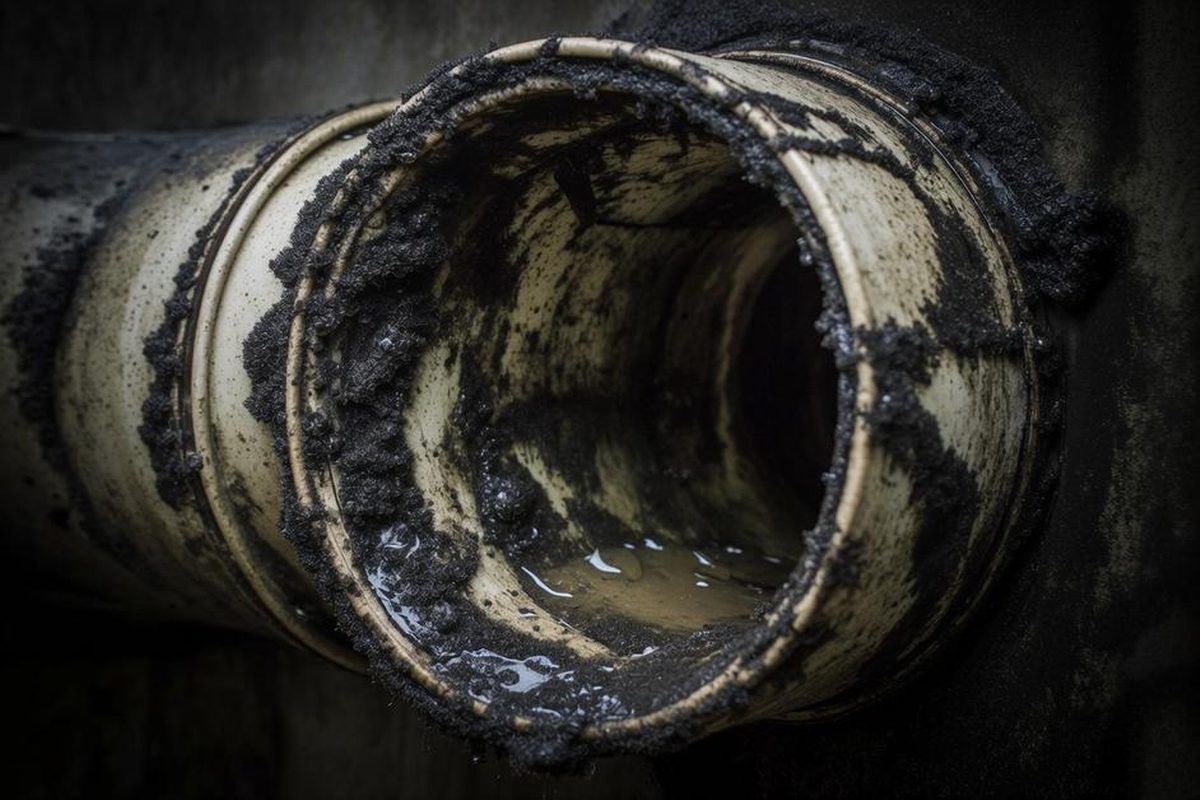
Black Mold in Drain Pipes: Causes and Cleanup Solutions
Navigating the unseen dangers in your home can feel like a daunting task. One such hidden menace is black mold in drain pipes, a common yet often overlooked issue that can lead to significant health risks and structural damage. If you've spotted that tell-tale dark stain or noticed a musty odor emanating from your sinks, it's time to take action. Residents can turn to emergency damage restoration in Dover for timely and professional help. In this blog post, we'll dive into what causes black mold in drain pipes and explore effective cleanup solutions to ensure a safe and healthy living environment.
With many homes in Dover, DE, built in climates conducive to moisture retention, understanding how black mold forms is crucial. Black mold thrives in damp, dark environments—ideal conditions often found within the confines of household plumbing systems. This blog will guide you through the main causes, potential health risks, and practical steps to clean and prevent black mold, keeping your home safe and healthy for everyone in it.
Understanding the Causes of Black Mold in Drain Pipes
Black mold, scientifically known as Stachybotrys chartarum, is a toxic fungus that can cause severe health problems, especially for those with respiratory issues or compromised immune systems. So, what exactly causes black mold to develop in drain pipes?
Moisture and Leaks
One of the leading causes of black mold in drain pipes is excessive moisture. Leaks, whether from a cracked pipe or a poorly sealed joint, create a perfect breeding ground for mold. Once moisture finds its way into the pipes, it becomes trapped, allowing mold spores to flourish unnoticed.
Organic Debris
Drain pipes often collect organic debris from food particles, soap scum, and other waste materials. This organic matter not only clogs pipes but also serves as a food source for mold. Left unchecked, mold can quickly spread, exacerbating the problem.
Poor Ventilation
Inadequate ventilation is another significant factor contributing to mold growth. Bathrooms and kitchens, where drain pipes are most frequently located, should be well-ventilated to minimize condensation and moisture buildup. Poor ventilation creates a humid environment, perfect for mold spores to thrive.
Health Risks Associated with Black Mold
Exposure to black mold in drain pipes can lead to a range of health issues. Understanding these risks is essential for emphasizing the importance of prompt action.
Respiratory Problems
The toxins produced by black mold can cause irritation in the eyes, nose, and throat, leading to persistent coughs and sinus congestion. Long-term exposure can lead to more severe respiratory diseases.
Allergic Reactions
Individuals sensitive to molds may experience heightened allergic reactions, including sneezing, skin rashes, and itchy eyes. These reactions can become more severe over time with continuous exposure.
Compounded Health Issues
For those with pre-existing conditions like asthma or compromised immune systems, black mold can pose an even greater threat. Mold exposure can exacerbate these conditions, leading to more severe health complications.
Effective Cleanup Solutions
Once the presence of black mold in drain pipes is confirmed, the next step is to tackle it head-on.
Initial Inspection and Assessment
Begin with a thorough inspection and assessment of your plumbing system. Identifying the source of moisture is crucial in determining the extent of mold infestation and potential solutions. Hiring professionals skilled in mold removal and remediation in Dover and its surrounding regions ensures that the problem is expertly handled.
DIY Cleanup Methods
For smaller infestations, DIY methods can be effective. Start by using a mixture of baking soda and vinegar, which acts as a natural mold remover. Pour the mixture down the affected drain and let it sit for a few hours before flushing with hot water. This process helps break down organic materials and kill mold spores.
Professional Mold Remediation
For larger or persistent mold issues, professional remediation services are recommended. Experts can efficiently remove mold while ensuring that the problem doesn't recur. They use specialized equipment and offer long-term solutions to prevent future mold growth in your drain pipes.
Preventive Measures
To keep black mold from returning, it's essential to implement preventive measures:
- Inspect plumbing regularly for leaks.
- Clean drains frequently to prevent organic debris buildup.
- Ensure proper ventilation in high-moisture areas like kitchens and bathrooms.
- Consider investing in a dehumidifier to manage indoor humidity levels.
Seeking Professional Help and Long-term Solutions
Confronting black mold in your home involves not just a one-time cleanup. It's crucial to focus on long-term prevention and monitoring. If you're struggling with persistent mold issues, engaging with a professional for water damage restoration in areas like Camden can guide you through effective long-term solutions. Services such as mold inspection and remediation not only tackle existing mold but also fortify your home against future outbreaks.
Ensuring a Safe Home for You and Your Family
A comprehensive approach combining inspections, DIY methods, and professional help is often the most effective strategy for dealing with black mold. All Restored's commitment to providing exceptional service in Dover, DE, means you and your family can breathe easier knowing your home is in good hands.
Ensuring a mold-free home requires vigilance and dedication. Regular assessments, proper ventilation, and routine maintenance of plumbing systems can prevent mold from endangering your health and home. If you suspect mold issues, don't hesitate to contact All Restored, your trusted partner in ensuring a safe, healthy living environment.
Recent Posts
-
Dover, DE Homeowner Guide: Everything You Need to Know About Owning Property
October 03,2026
-
Is Sewage Backup an Emergency and When to Act
October 01,2026
-
When Cabinets Get Wet: Repair or Replace Water Damaged Cabinets
September 17,2026