Blog Post
Do Fire Sprinklers Detect Smoke, Heat, or Both?
In the realm of fire safety, sprinklers are hailed as silent sentinels, ever-ready to combat flames before they spiral out of control. A common question, particularly among homeowners and business proprietors, is: do fire sprinklers detect smoke? Many people presume that if a fire originated from smoke, a sprinkler system would respond accordingly. However, the reality is more intricate. As restoration contractors in Dover and beyond have seen firsthand, understanding how fire sprinklers work is crucial in both preventing disaster and streamlining restoration efforts.
Fire sprinklers are a vital part of fire safety, designed not only to protect property but to save lives. In this blog post, we will unravel the operational mechanics of fire sprinklers and clarify exactly what they detect. We'll highlight not only the types of fire sprinkler systems available but also their benefits and limitations. If you ever wondered how to enhance your property's safety against fires, or are contemplating whether your system needs an upgrade, keep reading. By the end, you'll be better equipped with the knowledge to make safety a priority in your home or business.
The Mechanics of Fire Sprinkler Systems
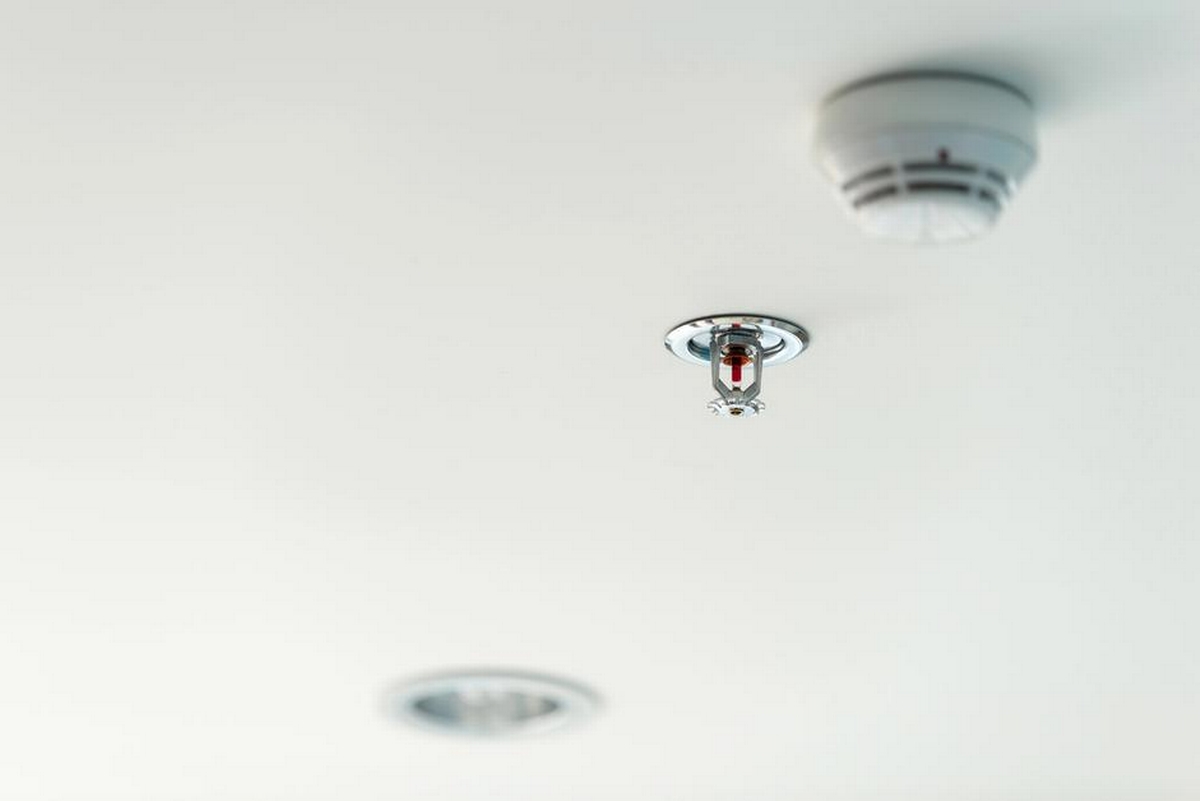
Understanding fire sprinkler systems begins with deciphering their core components and operational mechanics. A typical system comprises a water supply, piping, sprinkler heads, and a valve system. When the question arises, do fire sprinklers detect smoke? It's important to realize that the vast majority of these systems don't respond to smoke, but rather to heat. This is due to a small bulb or metal element in each sprinkler head that responds to changes in temperature.
Sprinkler heads are designed to activate at a certain threshold, typically between 135 and 165 degrees Fahrenheit. The heat from a fire causes this element to break or melt, triggering the release of water. This design ensures that only the nearest sprinklers to the fire activate, minimizing water damage to unaffected areas. This selective approach is particularly vital in large commercial spaces where unnecessary water damage could be extensive and costly. Contrary to popular belief, an entire system does not activate at once, a vital feature for both fire safety and practicality.
Smoke and Heat: Clarifying The Confusion
While fire alarms are triggered by smoke, sprinklers are not; they rely on thermal activation. But why the emphasis on heat? This design significantly reduces false alarms. Imagine the chaos and damage from water release triggered only by burnt toast's smoke or an overzealous oven. Thus, understanding the distinction between fire alarms and sprinklers can help homeowners and business managers appreciate the precision and purpose of these systems.
Certain advanced systems exist that can detect smoke, heat, or a combination of both. However, these are typically specialized installations with specific applications. For most residential and commercial properties, the heat-based activation remains the standard and the most reliable choice.
Types of Fire Sprinkler Systems
Several types of fire sprinkler systems are available, each engineered for particular environments and requirements. Here is a brief overview:
- Wet Pipe Systems: These are the most common type, with water stored directly in pipes at all times. They offer a fast response but are not suitable for freezing environments.
- Dry Pipe Systems: Ideal for unheated buildings, these systems contain pressurized air in the pipes. When activated by heat, the air is released, and water flows into the pipes.
- Deluge Systems: Used in high-risk areas like chemical storage, these systems release water through all sprinkler heads simultaneously when triggered.
- Pre-Action Systems: These have similarities to both dry and wet systems and are used where accidental discharge would be particularly damaging, like in museums and data centers.
Each type serves a specific purpose, and understanding which suits your needs best can ensure both safety and efficiency in suppression efforts.
Fire Sprinkler Systems: Benefits and Limitations
While fire sprinklers are invaluable, being aware of both their advantages and limitations is wise. Their primary benefit lies in their ability to control a fire in its early stages, potentially saving lives and minimizing damage. They are effective in both residential and commercial settings, combining with alarm systems to provide a comprehensive safety network.
However, no system is without its constraints. Sprinklers mitigate fire spread, but they don’t handle toxic smoke or gas emissions. Furthermore, in places with extreme temperatures, certain systems may not be suitable, leading to potentially expensive water damage if pipes burst. Professional consultations with restoration experts, such as All Restored, can significantly reduce uncertainties regarding system installation, maintenance, and overall efficiency.
Choosing the Right System for Your Property
It's paramount to match the right system to your building's needs. For those residing in challenging climates, where freezing is a concern, a dry pipe system might be the best option. Conversely, for environments where aesthetic elements are high value or water damage could be devastating, a pre-action system may be more appropriate. Considering local regulations and insurance requirements is also crucial, as these can influence the type of installation necessary for compliance and coverage.
Additionally, the role of restoration contractors in Dover, DE, often extends beyond addressing fire aftermath. They provide insight into fire prevention measures and can assist in choosing appropriate systems tailored to both residential and commercial environments.
Maintaining Your System: A Necessity
Regular maintenance of a fire sprinkler system cannot be overstated, as a malfunction can lead to catastrophic outcomes. Annual inspections should be scheduled, ensuring that all components are functional and compliant with current safety regulations. Leaks, rust, and obstruction in sprinkler heads are common issues that can be addressed through routine maintenance.
Moreover, collaboration with restoration experts can aid in anticipating problems, as they understand fire behavior well and can predict potential weaknesses in a system. For example, partnering with fire damage restoration teams in Dover and its neighboring areas can help assess how well a system might function under unpredictable conditions.
Importance of Complementary Systems
While fire sprinklers serve as a crucial line of defense, they are most effective when integrated with comprehensive safety systems, including smoke detectors and fire alarms. These combined efforts not only alert building occupants but also enhance the overall safety framework by reducing response times and improving evacuation processes.
By consulting with professionals, it becomes easier to design effective safety strategies that encompass all elements of fire prevention and damage mitigation. Tailoring these systems to address specific risks helps to ensure that all probable fire scenarios are adequately managed.
Using Fire Safety Systems Effectively
A fire sprinkler's capability is only maximized when it is part of a strategic and well-maintained infrastructure. By educating oneself and considering the advice of restoration experts, individuals and businesses can significantly bolster their defenses against fire.
Should an incident occur despite best efforts, knowing who to contact and having an established relationship with restoration services can facilitate efficient recovery. Companies like All Restored ensure quick and professional action in such events, mitigating damage through timely intervention.
In addition to fire response, consider the interconnected risks associated with other elements like water damage restoration or rebuild and repair needs, given the nature of sprinkler systems and their subsequent water release during activations.
Elevate Your Safety Standards
Understanding that fire sprinklers do not detect smoke but rely on heat detection brings clarity and informed decision-making. Safety doesn't rest merely in having the tools; it rests in knowing how to use them effectively. Whether you are a homeowner or a business manager, utilizing robust systems like water damage restoration in the Camden area ensures all bases are covered when fire incidents occur, allowing a faster return to normalcy.
All Restored, proficient in both prevention advice and post-fire interventions, remains a resourceful partner in maintaining property safety. To enhance the fire safety of your property in Dover or Camden, DE, contact All Restored today for a comprehensive fire safety consultation. We guarantee reliable restoration services to protect your investment and your peace of mind.
Recent Posts
-
Do Fire Sprinklers Detect Smoke, Heat, or Both?
August 17,2026
-
What Do Hard Water Stains Look Like on Surfaces
August 15,2026
-
Remove Mold from an Attic the Right Way
August 03,2026